
 Submit Quote
Miller-Stephenson Plastic Mold Release Agents offer robust release of all plastic types, including HPDE, LDPE, XLPE, Ultra High Molecular Weight plastics, and other thermoplastic materials. Designed for semi-permanent, non-transferring performance, ReleaSys Plastic mold release agents provide a potent upgrade to any manufacturing process. Injection, thermoforming, or stamping, our release agent formulation provide the right combination of release, worker safety, and ease of application to match your needs.
Benefits include:
• Ideal for all Thermoplastics Materials • PFAS and Silicone Free Formulas • Available in Water, Solvent, and Aerosol Formats • Extended Reapplication Intervals• No Contaminating Transfer • Low or Zero VOC formulations
Plastic Mold Release Agent FAQ
What is a Plastic Mold Release Agent?
A plastic mold release agent is specialize coating designed to prevent adhesion of the plastic substrate to the mold surface. The release agent provides the critical barrier to allow for both optimal resin flow out and smooth, reliable release of the plastic part. With this coating, the plastic resin would adhere to the mold surface, requiring extensively cleaning, production downtime and low output. Plastic release agents improve production reliability, part quality, and generally allow for faster, hotter cycles to be utilized.
Why use a Plastic Mold Release Agent?
Manufacturers typically utilize a specialize plastic release agent for 4 critical reasons
- Improve resin flow out - release agents impart a low surface energy coating on mold surfaces, this allows the molten plastic to flow and fill the mold cavity more easily. The result is consistent part quality free of voids, faster cycle times, and lower defect rates
- Improved cycle times - plastic mold release agents allow the plastic resin to enter and leave the mold more quickly and with better overall predictability. Hotter, shorter cycles can then be utilized to increase product output with sacrifacing quality or consistency
- Lower defect rates - release agent coatings improves both resin flow and ease of removal. Two critical aspects that affect defect rates. Mitigating these problems areas provides a substantial reduction in defect rates.
- Cleaner molds and less downtime - Plastic mold release agents are potent non-stick coatings, once applied the molded plastic releases smoothly and easily, leaving no material behind. Molds remaining cleaner and in-service longer as build up and sticking is greatly reduced
What type of manufacturing process use Plastic Mold Release Agents?
Plastics are typically molded by the following process:
- Thermoforming - Sheets of plastic are heated until soften then formed under compression or vacuum.
- Extrusion - Molten plastic is pushed through a die to form tubes or pipes, etc.
- Injection Molding - Most typical process, high volume process. Molten plastic is injected onto a mold cavity and allow to cool. Release Agents are critical to maintain high output, part consistency and quality.
- Blow Molding - Pressurize air is used to expand soften plastic inside a mold.
- Rotational Molding - solid plastic pellets are heated inside a rotating closed mold. Specialized plastic release agents are utilized to ensure complete resin flow out, smooth release, and uniformity.
What types of Plastics benefit from utilizing a Mold Release Agent?
Any moldable plastic can benefit from utilization of proper plastic mold release agents. It is important to selection specialized plastic mold release agent to ensure that the release coating provides the necessary low surface energy, high release, and zero transfer propertes that most plastic manufacturers require. Below is short list of plastics that would benefit from the use of release agent:
- Polypropylene
- High and Low Density polyethylene
- Polycarbonate
- PLA (Polylactic acid)
- Nylons
- Acrylonitrile Butadiene Styrene (ABS)
- thermoplastic polyurethane (TPU)
- Acrylics (PMMA)

Plastic Mold Release Agents
Plastic Mold Release Agent | ReleaSys™ 7300
Price range: $105.00 through $140.00
Semi-permanent, plastic mold release agent designed for superior mold release for all plastics and thermoforming applications. Excellent plastic flow out, zero transfer, and fast curing.
- Excellent Release Performance
- 100% water-based, zero VOC
- Products are Paintable, bondable, & require no cleaning
- Multiple Releases from a Single Application
- Seal Molds Surfaces to Enhance Resin Flow

Epoxy Mold Release Agents
PTFE Water-based Release Agents | ReleaSys™ 8200
Price range: $75.60 through $183.32
PTFE Water-based Release Agent. Advanced PTFE Dry Film release agents designed to provide reliable, consistent release across a broad range of moldable substrates. Excels at compression and transfer molding. ReleaSys™ 8200 will not interfere with post-production finishing operation.
- Ideal for Rubbers, Elastomers, & Plastics
- Ideal for Silicone Rubber & LSR
- 100% Silicone & Wax free
- Clean, Non-oily, Non-migrating
Epoxy Mold Release Agents
Semi-Permanent Release Spray | ReleaSys™ DFX
$49.40
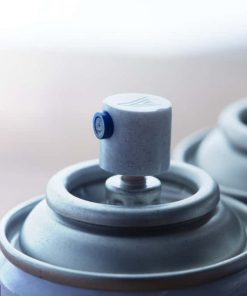
Advanced DryFilm semi-permanent release spray, providing the same unmatched performance as our ReleaSys™ DF. Customers using the ReleaSys DFX get the performance of a bulk release system and the uniform/thin-film coating of a professional spray system, in a convenient aerosol can.
- Next-Generation PTFE Thin-Film Coating
- Efficient Semi-Permanent Release Spray Technology
- Reliable and Predictable Release Performance
- Ideal for Epoxies, Composites, Rubber & Plastics
- 100% Non-Silicone, Oil, and Wax

Plastic Mold Release Agents
Rotational Molding Release Agent | ReleaSys™ RM
Price range: $91.04 through $187.42
ReleaSys RM is heat stable to >600°F, cures rapidly (even at room temperature), and transfers no mold release to the part. With ReleaSys RM, customers achieve multiple releases, no transfer, reduced pigment build-up, lower scrap rates, better cosmetics, increased productivity, and the safety of a water-based system.
- Multiple Releases per Application
- Rapid Cure; No Transfer
- Heat Stable up to 600°F
- Optimized Resin Flow Out

Plastic Mold Release Agents
Plastic Release Agent | ReleaSys™ 8000
Price range: $98.18 through $163.79
ReleaSys™ 8000 is an advanced TPU and plastic release agent system designed for today's most aggressive molding applications. Substantial improvements in release agent durability, ease of use, and mold cleanliness. Yields reliable plastic mold release throughout the entire production campaign. Particularly effective as polyurethane mold release and thermoplastic mold release.
- Designed for Aggressive & Sticky Substrates
- Ideal of Polyurethane, Plastic, Epoxies, & Composites
- Provides extremely durability release films
- Consistent and Reliable Ejection and Release